Have a perfectly sensible career plan for the next 5 years...
and a GORGEOUS, completely impractical idea they can’t stop thinking about.
with Rebecca Whittle, PhD
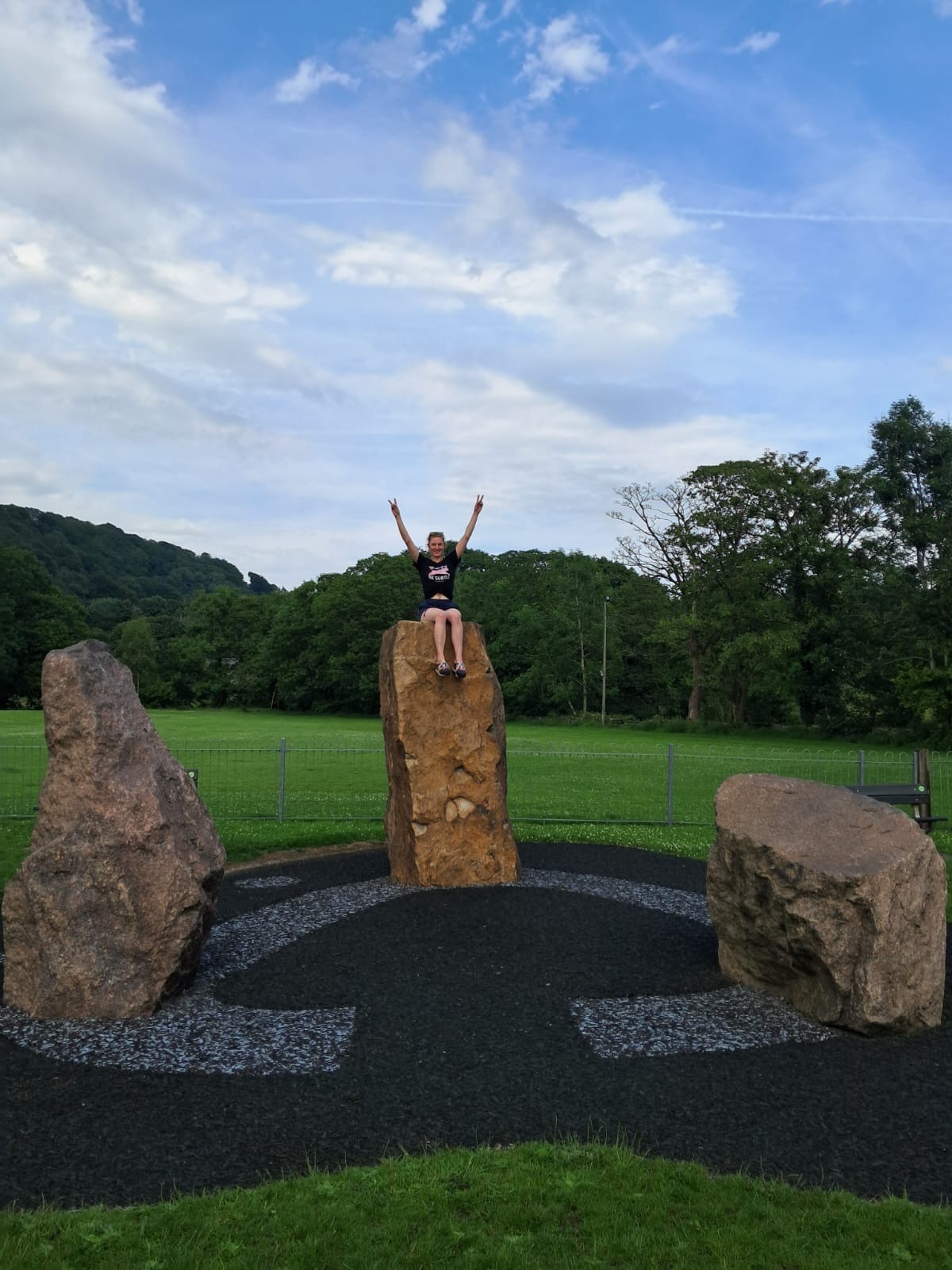
Standing-stone photograph
and a GORGEOUS, completely impractical idea they can’t stop thinking about.
Still end up crying over the laundry.
Still can’t stop doing it.
Then lie awake at 2am worrying about their own.
Whether it's your career, a relationship or something you can't quite put your finger on, maybe you're stuck between two choices that both feel wrong. Or there are seventeen possible paths, and every one leads to another decision. Where's the page where you get to choose your own adventure without accidentally falling into a pit of snakes?
Maybe you've just discovered you're neurodivergent, or learned something about yourself that's changed the way you see things. You're beginning to understand yourself differently, but what does that mean for how you actually live?
A little bit of you comes alive every time you think about it. But every time you try to get started, the steps multiply, overwhelm kicks in, and you lose momentum before you've even begun.
You're keeping everyone and everything going. The days are full, the wheels keep turning, and tomorrow looks suspiciously like yesterday. Meanwhile, you're wondering: who's doing all this doing? What's it actually for? And where's the version of your life where you get to matter too?
You've made the lists. Weighed the options. Had approximately fourteen imaginary conversations. But the more you think about it, the more confused you feel about what you actually want to do.
You've got a brilliant brain. But when you're inside your own thinking, you're simultaneously the analyst, the critic, the person with something at stake AND the person trying to decide what to do about it.
Coaching isn't about having another clever person solve your problems for you.
It's about having someone alongside you who can ask the question you haven't asked. Notice the contradiction you've skated past. Challenge an assumption. Help you recognise when the voice you're treating as fact might actually just be fear.
And when you're ready to make something happen, we can work out how to turn those insights into practical steps that actually fit your brain, your life and what you're trying to achieve.
You don't need to think harder. You just need somewhere different from which to look.
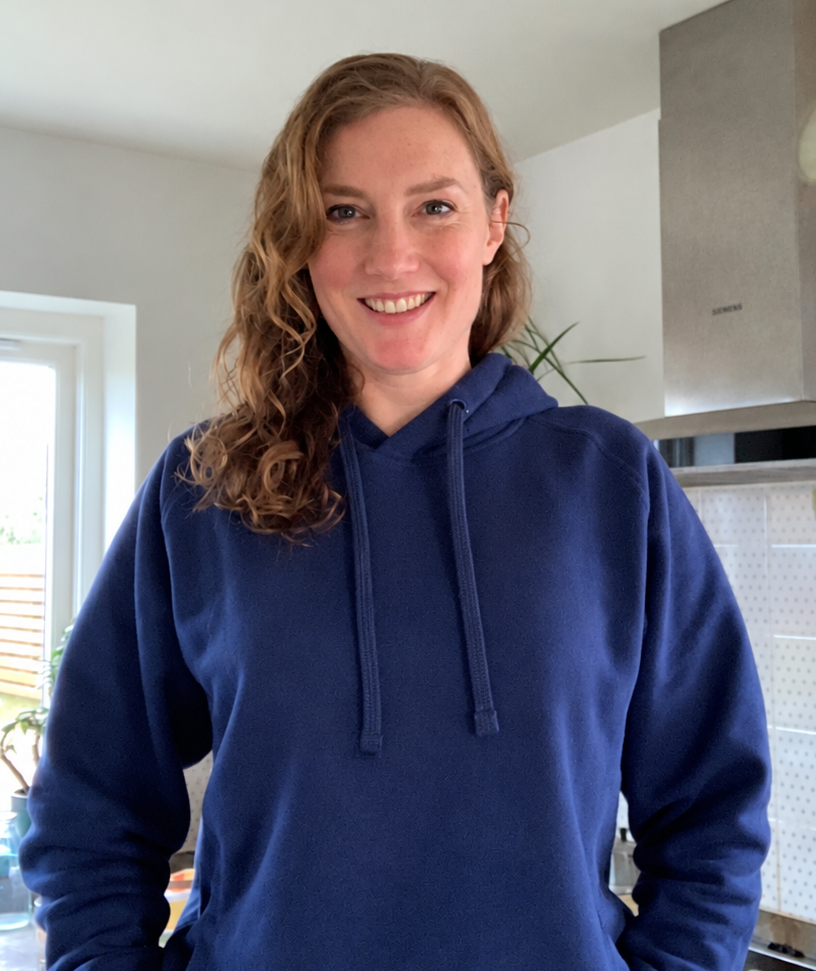
I spent nearly twenty years working in academia before I found the courage to become a coach myself. Along the way there was a PhD, a senior lectureship, family life, and a great deal of trying to do everything properly.
I'd been fascinated by coaching for years. But stepping into it myself felt surprisingly exposing.
As an academic I could read, research, prepare and polish. As a coach I have to show up unedited. Listen. Notice. Take a risk. Trust an instinct. Often get something wrong. Laugh with someone. Cry with someone. Change direction when I realise we're heading down a rabbit hole.
For someone who thought her professional success depended on never letting anyone see the whites of her eyes, that is terrifying. But also beautiful. And absolutely how I want to live.
I don't think we were ever meant to do life alone. I’m enormously grateful for the people who have been willing to stand beside me while I figure stuff out and I would be honoured to do the same for you too. 💕
My lived experience of ADHD has taught me that a strategy that works brilliantly for one person might be utterly useless to another. That energy, attention and capacity aren't necessarily the same from one day to the next. And that when a plan isn't working, curiosity and adaptation are often a lot more useful than simply trying harder.
So my starting point is always what you need today.
You're the expert on your own life. My job is to help you get clearer about what matters to you — and stay connected to it.
That means holding the bigger picture with you, especially when life gets noisy, your confidence wobbles, and you've got seventeen other things competing for your attention.
We can change the route, the pace, or question the destination. You don't have to do things the same way every day to keep moving towards something that matters.
Knowing what matters to you and knowing how to make it happen are two very different things.
Sometimes we need to zoom out and see the bigger picture. Other times we need to zoom IN: break a big idea into smaller pieces, work out where to start, experiment with strategies, or find some accountability that actually helps.
In Co-Active coaching, we talk about deepening the learning and forwarding the action. I care about both — and how they work together in your actual life.
I'm not wedded to any particular coaching technique. What matters is finding the approaches that help you think, feel, learn and make things happen.
We might talk, take a walk, get creative with pen and paper, or invent a superhero or an imaginary gremlin. It depends on what feels useful to you that day.
Sometimes I'll challenge you. Sometimes I'll be the person reminding you how far you've come when you've completely forgotten.
As your coach, I'm always on your side. Even and especially when I'm not on the side of the story you're currently telling yourself.
I work with people in eight-week blocks, with four coaching sessions spaced a fortnight apart. That gives us time to make progress on whatever brought you to coaching, while also helping you understand more about how you make progress in the first place.
Four 60-minute sessions, meeting fortnightly online, by phone or in person if practical.
This is where we get into the interesting stuff: exploring what's going on, challenging assumptions, discovering new perspectives, or getting practical — mapping out a complicated problem, breaking a big ambition into manageable steps, and finding strategies that actually work for you.
At the end of each session, we'll agree something that feels genuinely useful to you, and connected to the change you're working towards.
It might be taking a practical step towards a goal, trying a different way of doing something, or simply paying attention to how you respond in a particular situation.
The interesting bit isn't just whether it worked. It's what you discover along the way. What shifted? What got in the way? What surprised you? What might you want to try differently?
It's not homework to get right. It's an opportunity to learn. And we'll use that learning to decide where to go next.
We'll stay lightly connected between sessions through occasional text or voice notes.
You might share a discovery, celebrate a win, talk through something that's not working, or capture a thought before it disappears into the ether.
It's a way to keep the learning and momentum going, without needing to be in constant contact.
It's really important that you get to talk to me and figure out if coaching together feels right for you before you jump in.
So, if something on this page has made you curious, drop me a message on WhatsApp.
We'll arrange a free introductory chat to talk about what's on your mind, how I work and whether coaching together feels like a good fit.
If we'd both like to go ahead, great! We can book you in for an eight-week coaching block. And if not, no worries — we can both enjoy the conversation and move on with our lives.
Message me on WhatsApp ↗
Coaching can be funded by an employer while remaining centred on the person receiving it. We can work on professional goals, but the coaching agenda belongs to you — and often the most useful conversations don't fit neatly into a single category.
If you're eligible for Access to Work, you may be able to get funding towards coaching. Some employers will also fund coaching through learning, development or wellbeing budgets. I'm happy to provide whatever information you need to explore either option.